
Abstract: Ownership, a traditional engine of wealth creation, remains inaccessible to many due to geographical constraints, wealth inequality, and systemic inefficiencies. Asset Ch...
Published:
Source: Original X article/post
Abstract:
Ownership, a traditional engine of wealth creation, remains inaccessible to many due to geographical constraints, wealth inequality, and systemic inefficiencies. Asset Chain envisions a paradigm shift by seamlessly transitioning all assets—tangible and intangible—into the digital realm. This is achieved through a decentralized, scalable infrastructure for real-world asset (RWA) tokenization, merging the power of Decentralized Finance (DeFi) with real-world applications. This whitepaper explores Asset Chain's transformative potential across diverse sectors, from revolutionizing savings systems in rural Africa to enabling renewable energy tokenization in Asia. It details the technological architecture, diverse use cases, and long-term vision for a borderless, tokenized economy. By bridging the gap between traditional finance and the digital world, Asset Chain empowers individuals, communities, and businesses to access previously untapped opportunities. From a farmer in Lagos tokenizing crops to a Berlin startup raising capital through decentralized ownership, Asset Chain offers transformative solutions for both local and global challenges. Imagine a future where every asset, from family heirlooms to renewable energy certificates, is securely and verifiably recorded on the blockchain. Asset Chain's On-Chain Asset Environment (OAE) unlocks this future, fostering unprecedented inclusion and innovation in global finance.
1. Introduction: A Revolution in Ownership
Ownership is fundamental to economic empowerment, yet access to it remains a privilege for the few. Global assets—from real estate and intellectual property to renewable energy and cultural artifacts—are locked behind institutional and financial barriers. This disparity perpetuates inequality, limiting individuals, communities, and small businesses from realizing their economic potential.
Asset Chain offers a transformative solution: the tokenization of real-world assets (RWAs). By converting tangible and intangible assets into digital tokens, Asset Chain democratizes ownership, creating a borderless economy that empowers individuals regardless of geography or financial standing.
1.1 The Vision: Ownership Without Borders
Asset Chain envisions a world where ownership is:
- Universal: Accessible to anyone, anywhere, regardless of geographical location or socioeconomic status.
- Democratized: Empowering communities to directly participate in global markets, fostering economic growth and shared prosperity.
- Sustainable: Aligning economic development with environmental stewardship, promoting responsible resource management and long-term value creation.
Imagine a farmer in Uganda raising capital for vital irrigation systems by tokenizing future crop yields. Picture an artist in Mumbai selling fractional ownership of her artwork to a global audience, securing perpetual royalties and fostering direct engagement with her patrons. Asset Chain transforms these possibilities into tangible realities.

aerial view. A Ugandan farmer, female, weathered face, holding a smartphone displaying a stylized graph overlayed on a field of green coffee plants, sunrise lighting, vibrant colors, intricate details, digital art, trending on artstation, 8k, hyperrealistic
A vibrant, abstract painting by a Mumbai artist, transforming into interconnected digital fragments, each fragment representing a fractional ownership share, Mumbai skyline subtly reflected in the fragments, sense of transformation and interconnectedness, digital art, vibrant colors
2. Asset Chain’s Vision: The On-Chain Asset Economy
Asset Chain is more than a platform—it is an ecosystem designed to revolutionize how assets are created, managed, and exchanged. Its core principle is the On-Chain Asset Environment (OAE), which enables seamless interaction between tokenized assets, blockchain-based infrastructure, and decentralized applications.
2.1 Core Principles
- Inclusion: Localized applications tailored to underserved communities.
- Scalability: Global interoperability for limitless innovation.
- Security: Immutable records ensuring trust across all transactions.
- Transparency: Every asset and transaction is visible on the blockchain, fostering trust and accountability.

2.2 Beyond Tokenization: Liberation
This isn’t just about digitizing assets; it’s about empowering ownership for a new era. Every tokenized asset is a key to unlocking value—for individuals, communities, and economies.
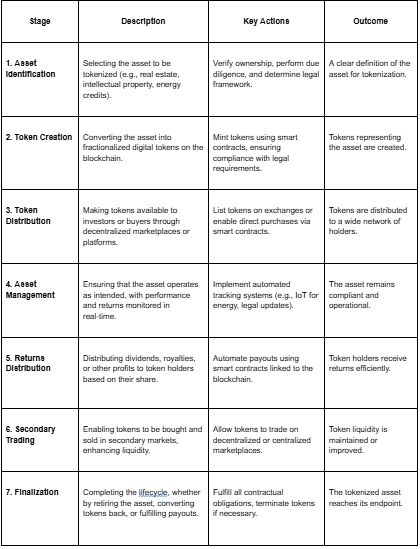
3. Key Features of Asset Chain
Speed and Efficiency: Asset Chain achieves transaction finality within 1–2 seconds and boasts a scalability of up to 5000 transactions per second (TPS). This high throughput makes it ideally suited for high-volume environments such as marketplaces, real-time peer-to-peer (P2P) lending platforms, and micro-transactions.
Localized Security Standards: Asset Chain’s customizable compliance features enable seamless integration with diverse regional regulatory frameworks. This ensures adherence to local legal requirements while maintaining global interoperability.
Innovative Rights Management: Asset Chain facilitates fractionalized ownership through tokens that respect local customs and legal frameworks. This approach promotes broader participation and fosters trust within diverse communities.
4. Transformative Use Cases: Real-World Impact
Asset Chain's potential is best illustrated through tangible use cases. The following examples demonstrate how tokenization can address real-world challenges and unlock new opportunities across diverse sectors:
4.1 ArtWave: Empowering Artists Globally
Challenge: Emerging artists, particularly those in underserved regions, often struggle to gain visibility and access to global markets.
Solution: . This provides artists with upfront capital, while also ensuring they retain royalties on secondary market sales, creating a sustainable revenue stream.
Impact:
- Direct access to global audiences for artists in underserved regions.
- Sustainable income through decentralized royalty mechanisms.
- Increased investment in local art communities.

4.2 Renewable Energy in Rural India: Powering Sustainable Development
Challenge: Expanding access to renewable energy in rural communities often faces funding constraints.
Solution: By tokenizing renewable energy projects, such as wind farms, Asset Chain allows local and global investors to participate in funding their development. Token holders receive a share of the generated energy revenue, creating a mutually beneficial ecosystem.
Impact:
- Increased investment in clean energy infrastructure.
- Empowerment of local communities through direct participation in energy projects.
- Reduced reliance on fossil fuels and promotion of sustainable development.
4.3 Healthcare for Underserved Communities: Democratizing Access to Life-Saving Technologies
Challenge: Funding the development and distribution of essential medical devices, especially in underserved areas, can be a significant hurdle.
Solution: Tokenizing research and development (R&D) allows micro-investors to contribute to the development and manufacturing of life-saving technologies. This model accelerates innovation and ensures wider access to these crucial devices.
Impact:
- Accelerated development and deployment of medical technologies.
- Improved access to healthcare in underserved communities.
- Democratized investment in healthcare innovation.
4.4 Tokenized Real Estate in São Paulo: Revitalizing Urban Communities
Challenge: Urban decay and lack of affordable housing are pressing issues in many cities.
Solution: Tokenizing real estate projects, such as renovating abandoned buildings, allows for fractional ownership and attracts smaller investors. This model provides affordable housing options for tenants and generates rental income for token holders.

Impact:
- Revitalization of urban areas through decentralized investment.
- Increased availability of affordable housing.
- Creation of new economic opportunities for local communities.
4.5 Tokenized Microfinance in Lagos: Empowering Local Entrepreneurs
Challenge: Access to traditional financial services is often limited for entrepreneurs in underserved markets.
Solution: Tokenized microfinance platforms connect global investors with local entrepreneurs seeking small loans. Tokens represent a share of the entrepreneur's future profits, creating a mutually beneficial investment opportunity.
Impact:
- Increased access to capital for entrepreneurs in emerging markets.
- Global participation in local economic growth.
- Empowerment of local communities through economic development.
5. IAC Framework: Establishing Trust and Compliance
5.1 Region-Specific Compliance: Asset Chain implements customized compliance workflows for localized onboarding and utilizes smart contracts that adhere to regional legal standards, ensuring regulatory compliance in diverse jurisdictions.
5.2 Credibility Scores: To enhance trust and transparency, assets listed on Asset Chain are assigned credibility scores based on partnerships with local authenticators and global validators. This provides investors with valuable information about the legitimacy and quality of the assets.
6. Vision for the Future: A Globally Connected, Locally Rooted Economy
Asset Chain envisions a future where economic opportunities are accessible to everyone, regardless of their location. By bridging the gap between traditional systems and decentralized finance, Asset Chain empowers individuals, communities, and businesses to participate in a global economy while respecting local cultures and regulations. It’s more than a platform—it's a catalyst for shared prosperity and a foundation for a truly tokenized world. #ASSET #AssetChain #AssetChainWhitepaperContest @rwaassetchain

